What is a URL Shortener?
I often ask people if they know what a URL shortener is and get blank stares.
Then I say something like, "You know that short link you got in a text message or saw in a news article?" and they immediately go, "Oh, yeah."
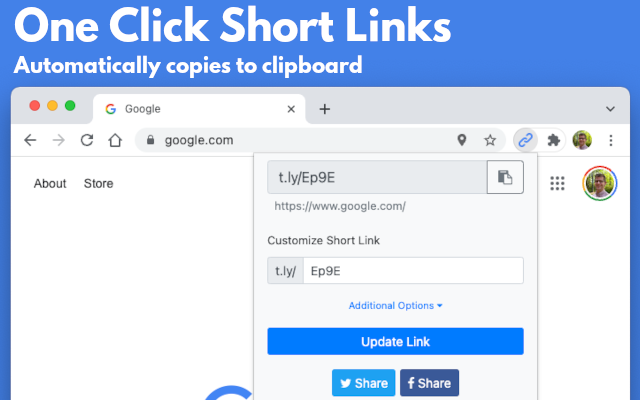
If you have ever clicked a link like t.ly/demo, you have already used a URL shortener.
A URL shortener takes a long web address and turns it into a shorter one that still sends people to the same place. It is a simple tool, but it solves a bunch of real problems. Long links are ugly. They get cut off. They are harder to remember. And when you add UTM parameters, they get even worse.
Watch a quick explainer:
What is a URL shortener?
A URL shortener is a tool that creates a short version of a long URL.
For example:
Long URL: https://www.example.com/blog/marketing/social-media/campaign-guide?utm_source=instagram&utm_medium=bio&utm_campaign=spring-sale
Short URL: https://t.ly/spring-sale
Both links can send visitors to the exact same page. The short one is just easier to share.
You might also hear people call this a link shortener, short link generator, or branded link tool. Same basic idea.
Why people use URL shorteners
Most people do not shorten links just to save a few characters. They do it because shorter links are easier to work with.
- They look cleaner. A short link is easier to read in a post, message, slide deck, or printed handout.
- They are easier to remember. That matters when someone has to type the link from a screen, flyer, or business card.
- They hide messy tracking parameters. You can still use campaign tracking without showing people a giant string of tags and symbols.
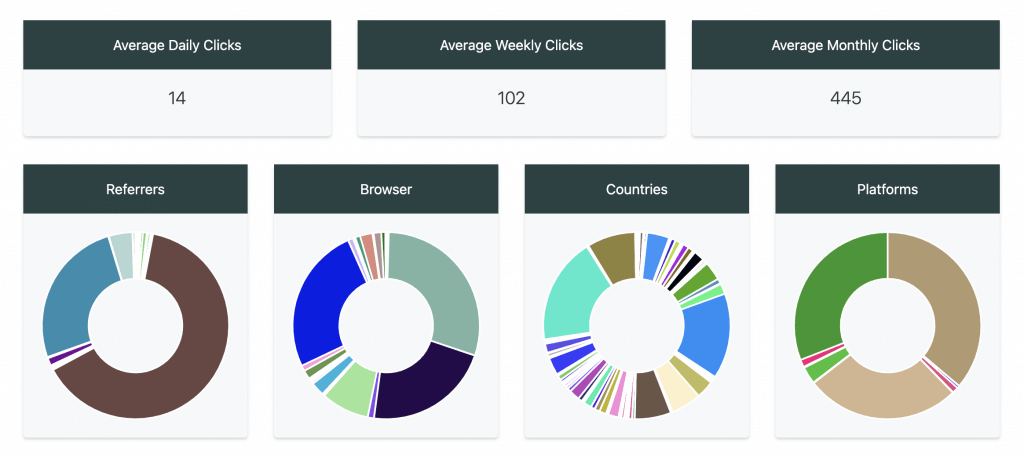
- They make analytics easier. Most modern shorteners let you track clicks, referrers, locations, devices, and campaign performance.
- They work well with branded domains. A clean branded short link usually feels more trustworthy than a random string on an unfamiliar domain.
Short links became especially popular during the early Twitter years when every character mattered. That need has not gone away. Social posts, SMS, QR codes, podcasts, presentations, and print ads all still benefit from cleaner links.
How do URL shorteners work?
The basic idea is simple. A URL shortener stores the original long URL in a database, creates a short code for it, and sets up a redirect. When someone visits the short URL, the service looks up the destination and sends the visitor there in milliseconds.
Here is the short version of the process:
- You paste in the original URL.
- The shortener generates a unique short code or custom slug.
- The service stores the mapping between the short link and the destination URL.
- When someone clicks the short link, the service redirects them to the original page.
If you want a deeper technical breakdown, see How Does a URL Shortener Work?
Where short links are most useful
Short links are useful anywhere long URLs feel awkward or distracting.
- Social media: cleaner captions, bios, and comments
- Email marketing: easier-to-read calls to action
- Text messages: less clutter in a tight space
- Print materials: posters, menus, packaging, business cards, and signage
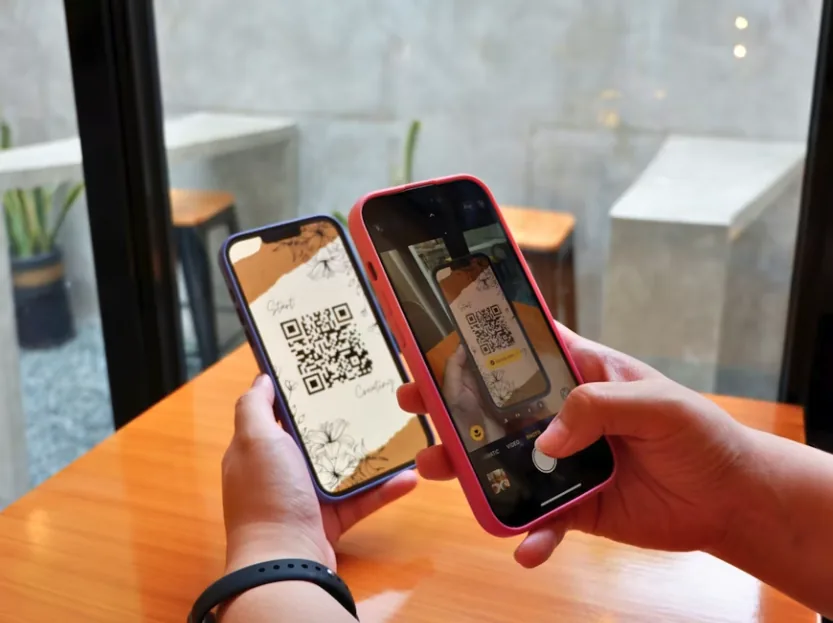
- QR codes: better link management and easier updates when using dynamic QR codes
- Teams and internal docs: simpler links people can actually remember
That is one reason URL shorteners are often paired with QR codes, UTM tracking, and custom domains.
Benefits beyond shortening
The best URL shorteners do more than just make links shorter.
Many also include analytics, so you can track how many people clicked your link, where they came from, what devices they used, and which campaigns performed best.
Some also let you:
- use your own branded short domain
- create readable custom slugs instead of random characters
- update a destination later without changing the shared link
- organize links for teams or campaigns
- add retargeting, rules, or automation on top of a short link
Are short links safe?
Usually, yes. But there is a real tradeoff.
Because a short link hides the full destination, some people are naturally cautious about clicking one. That is fair. Bad actors sometimes use shorteners to disguise where a link goes.
That is why trust matters. Branded links help. Clear naming helps. Consistent use helps. And if you need to inspect a short link before clicking it, tools like the T.LY URL Expander can show where it leads.
The short version
A URL shortener turns a long link into a short one that redirects to the same page. That alone is useful. But the real value is what comes with it: cleaner sharing, better branding, better tracking, and easier link management.
If you are only thinking about shorter links, you are only seeing half the value.
If you want to try one, you can create a short link on T.LY or dig deeper into how URL shorteners work.
Related Posts


Tim Leland
Useful Tools
Ready to improve how you manage links?
T.LY URL Shortener makes long links look cleaner and easier to share! Add your own Custom Domains to personalize your brand. Create Smart Links to customize a URL's destination. Generate QR codes to promote your business.
Start your 5-day trial Browser Extension